Farming in Harmony with Nature
At Mill Farm Lurgashall, we are passionate about farming in harmony with nature, creating a thriving environment where wildlife and biodiversity can flourish.
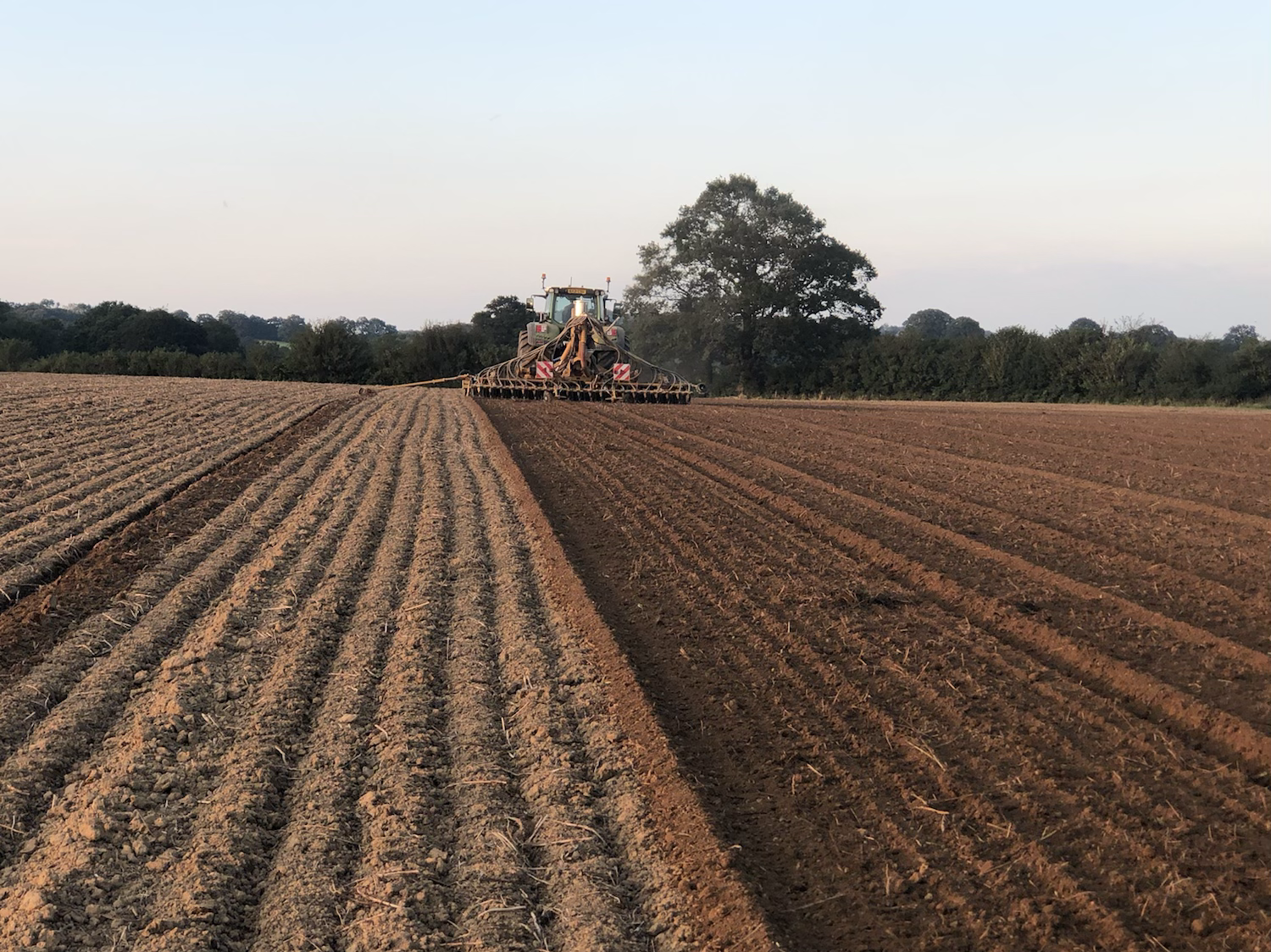
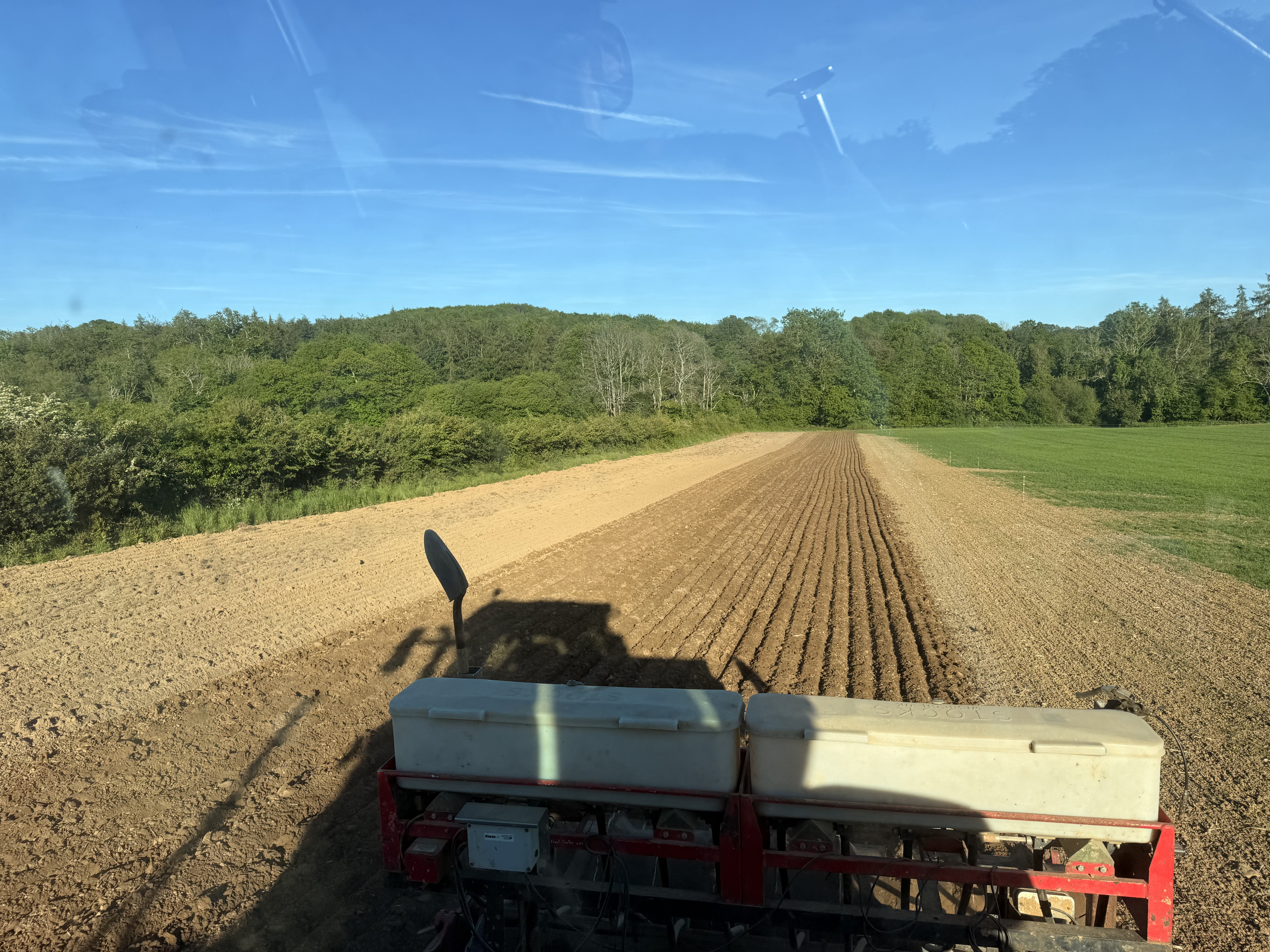
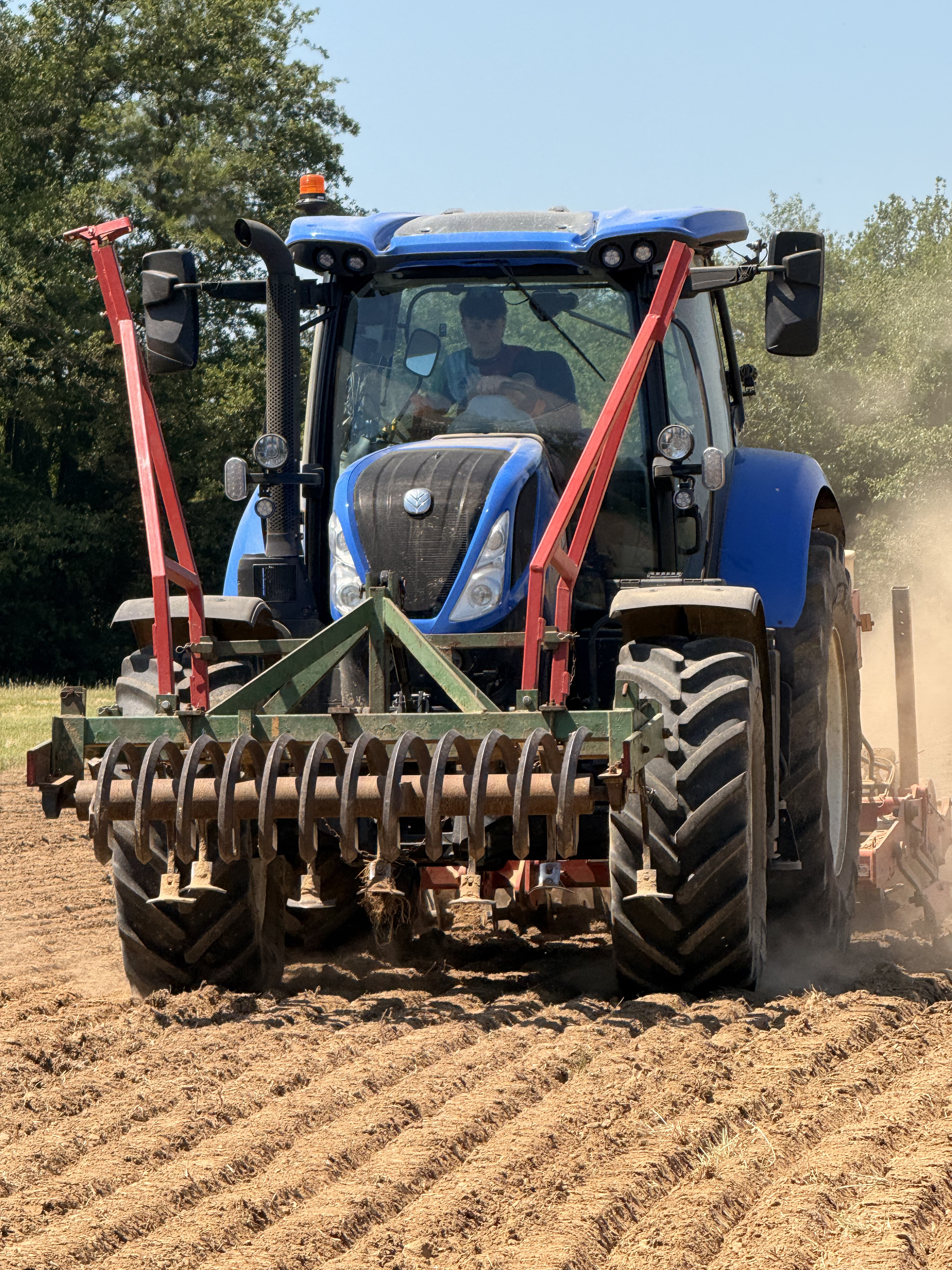
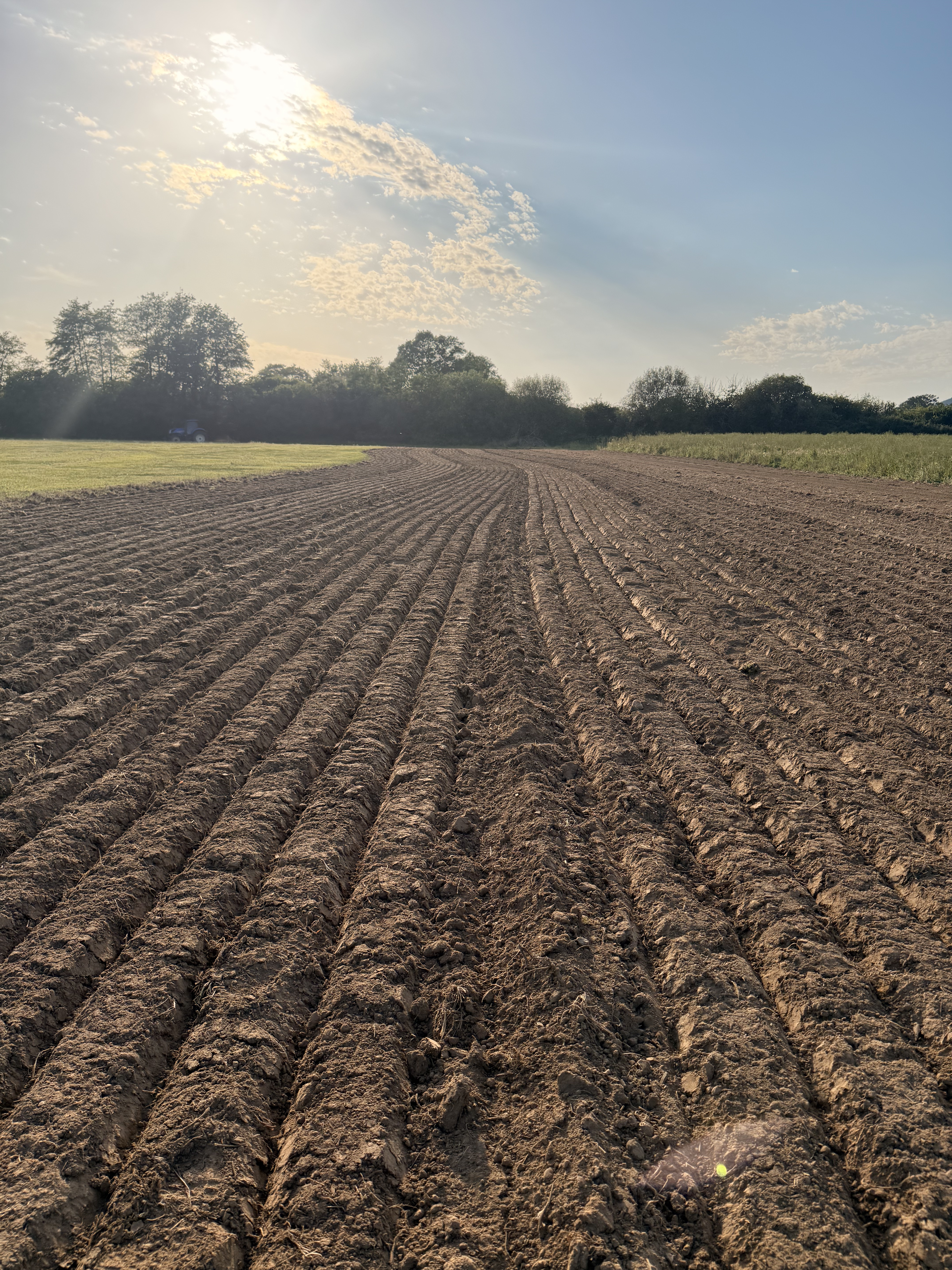
Across our 300-acre farm, we have embraced environmental farming through schemes including the Sustainable Farming Incentive (SFI) and Countryside Stewardship, transforming traditional arable fields into a rich and diverse landscape.
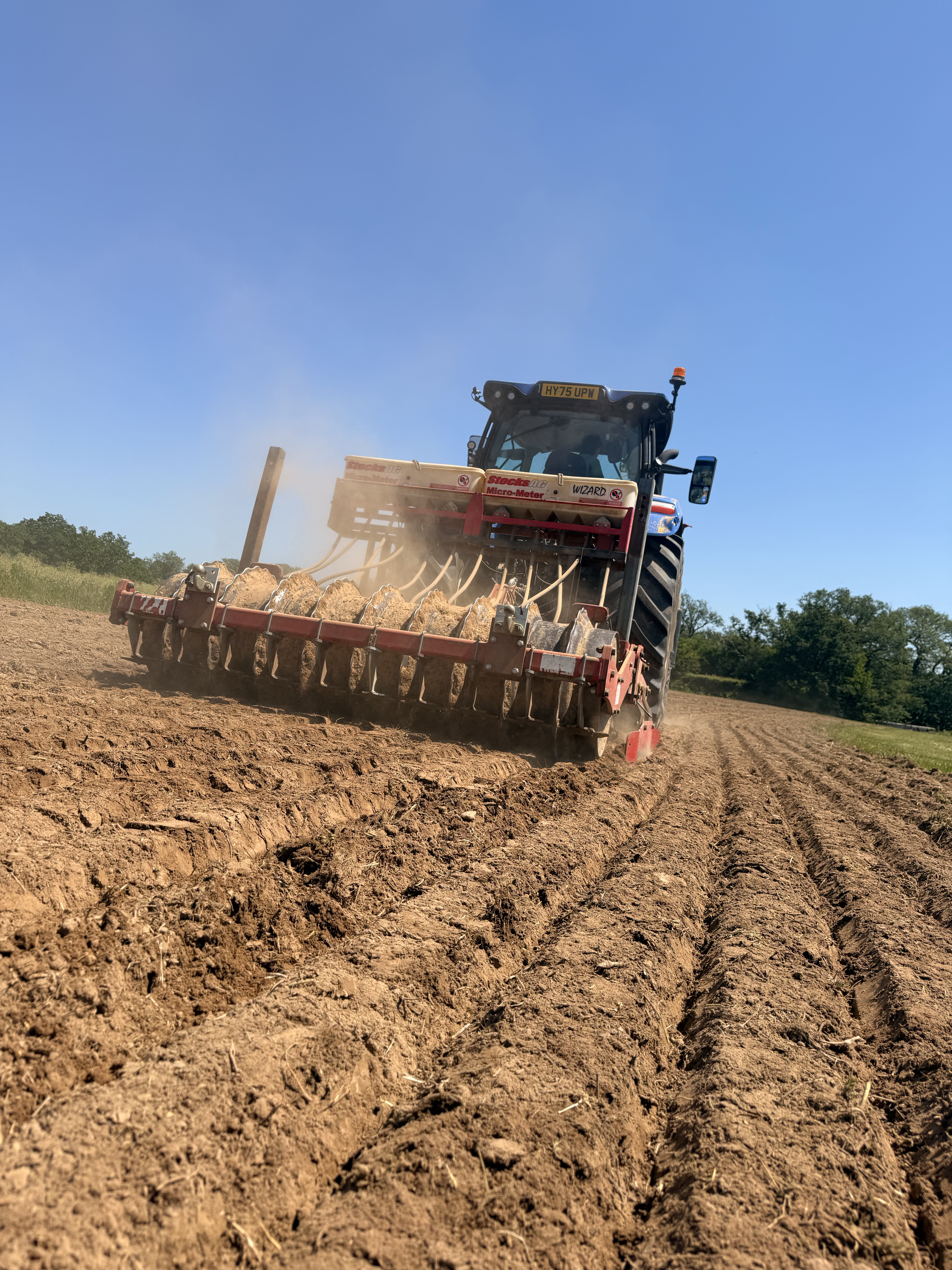
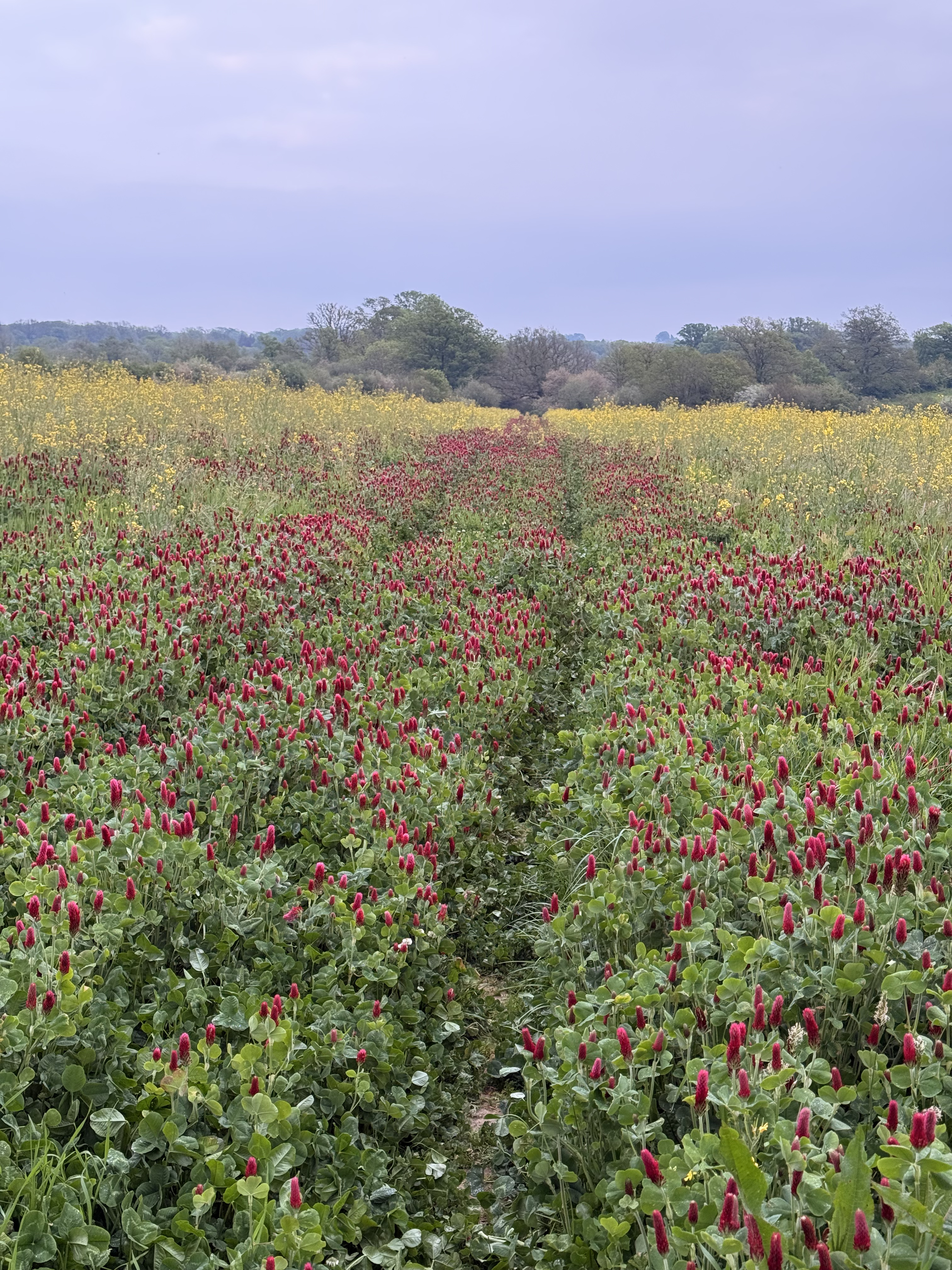
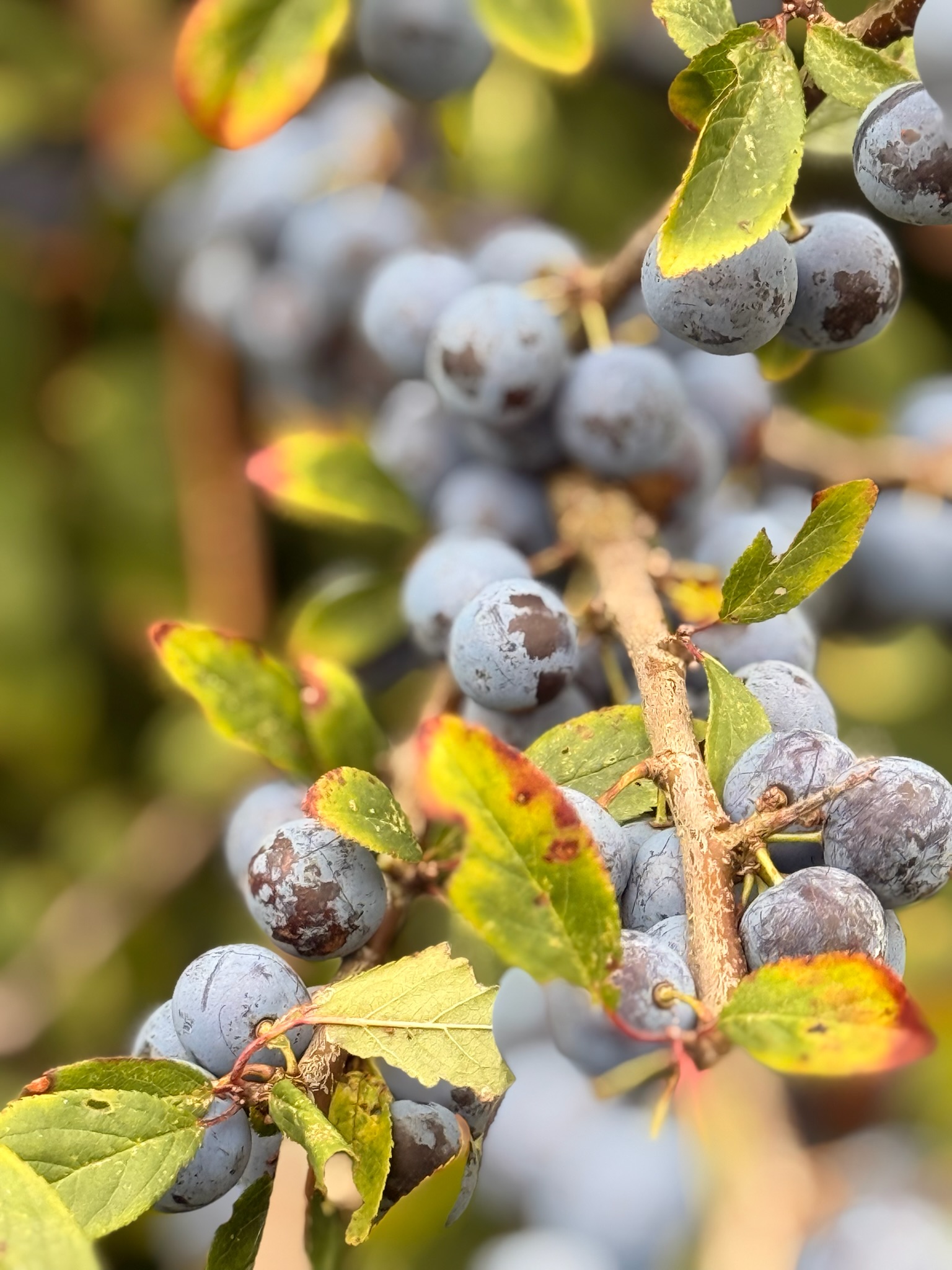
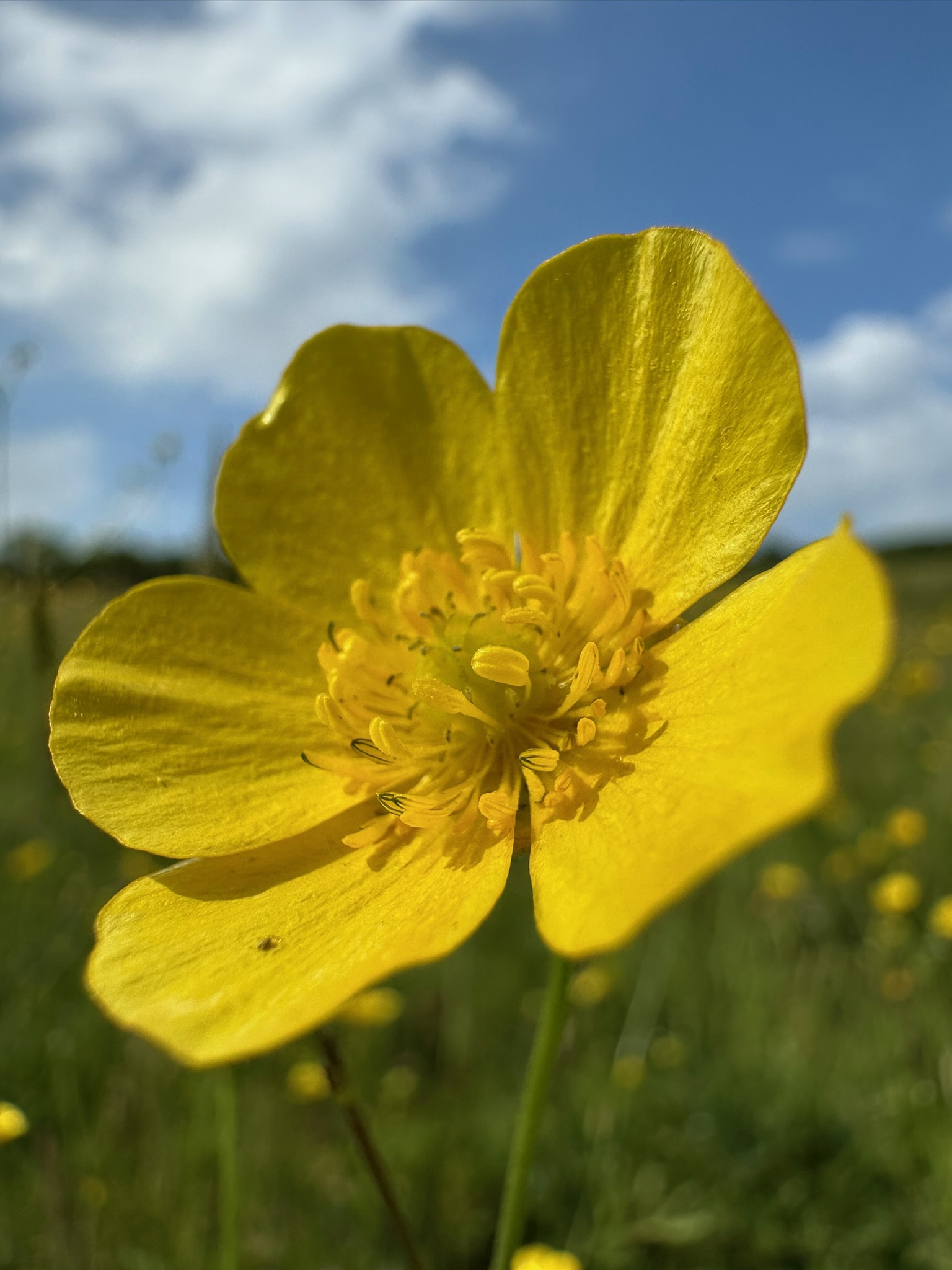
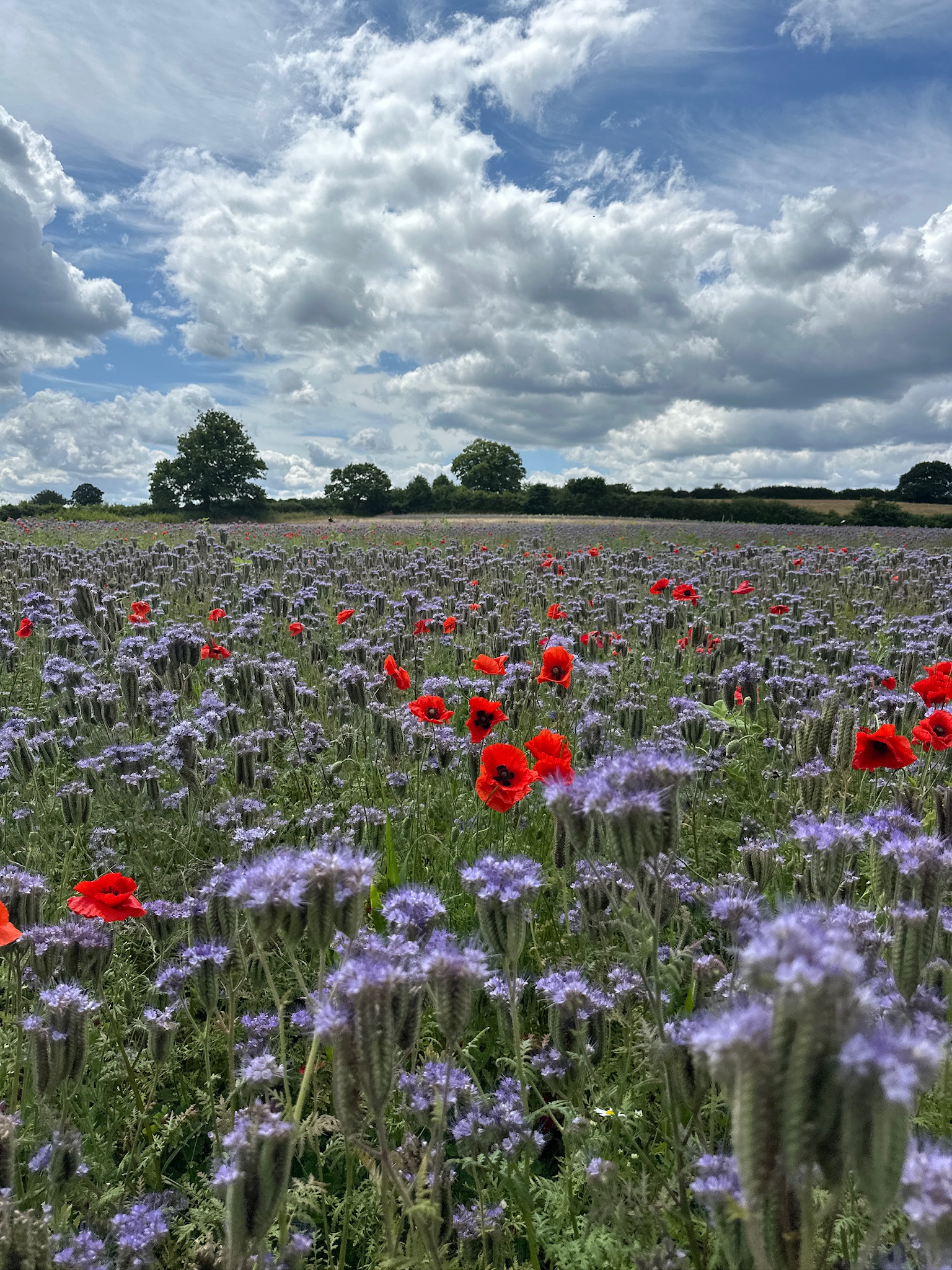
Approximately 180 acres are dedicated to wildflowers, pollen and nectar mixtures, winter bird food and other wildlife habitats. These provide essential food, shelter and breeding opportunities throughout the seasons, encouraging remarkable increases in birds, bats, butterflies, bees, insects, snakes, newts and other wildlife.
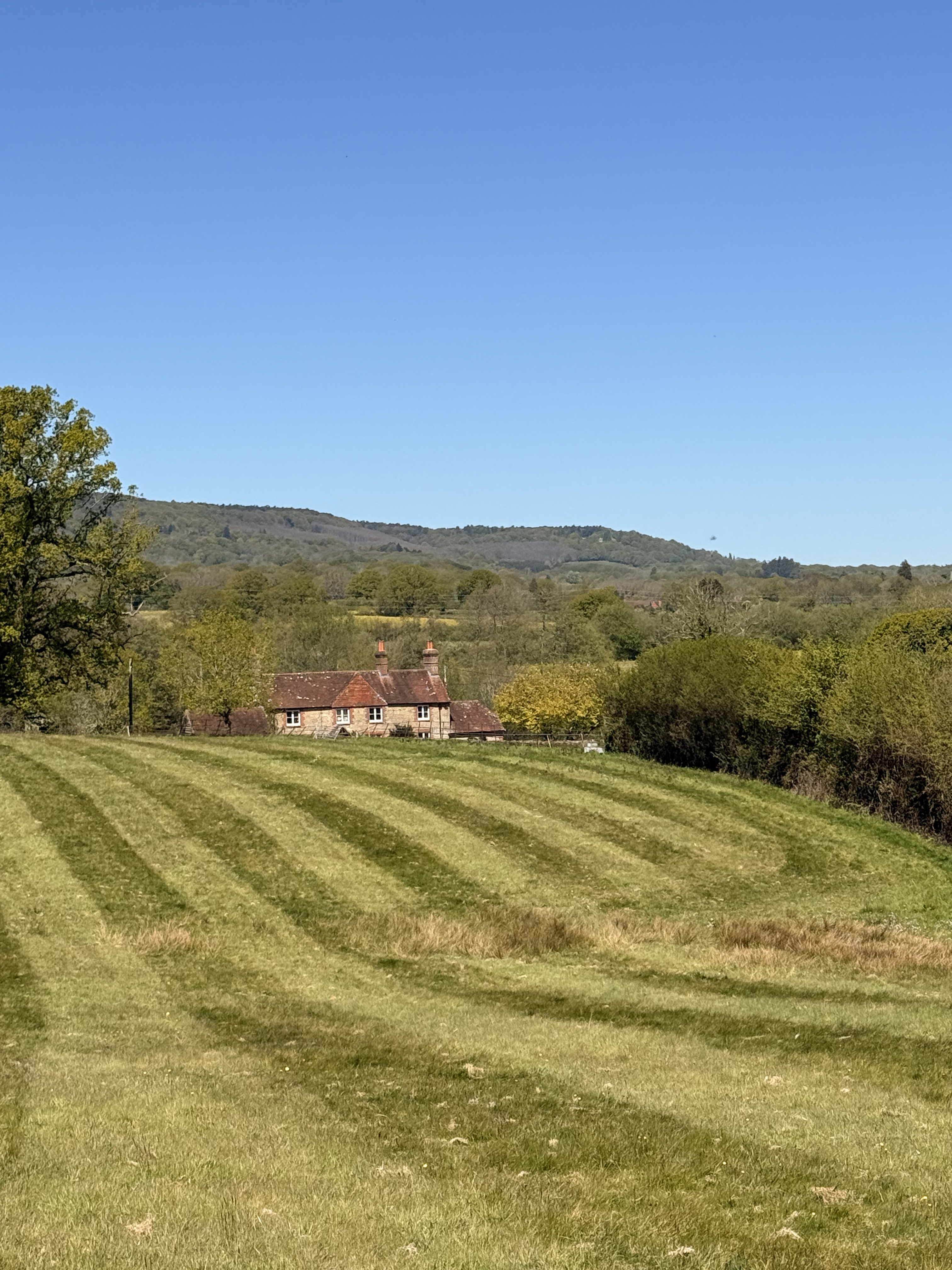
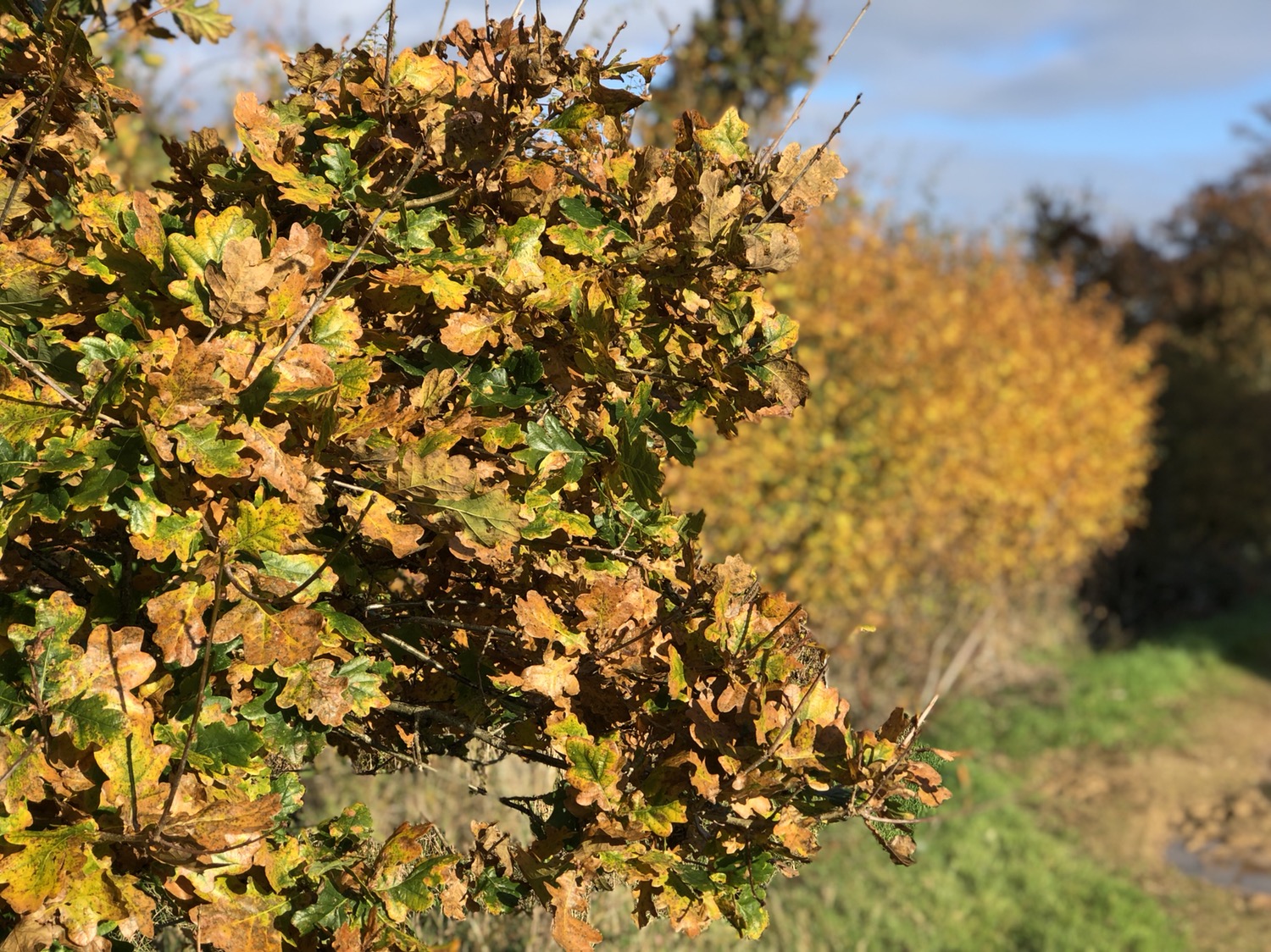
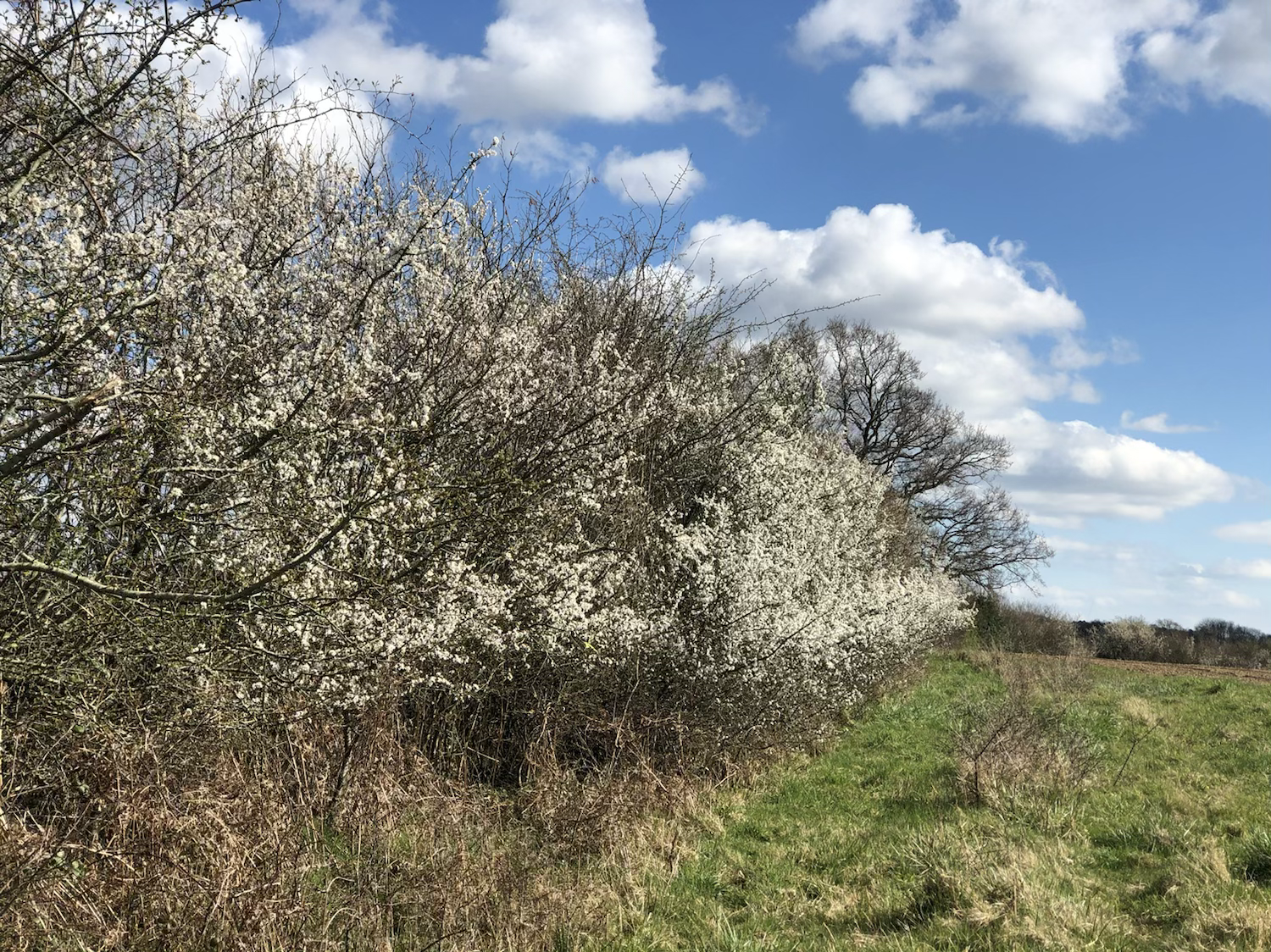
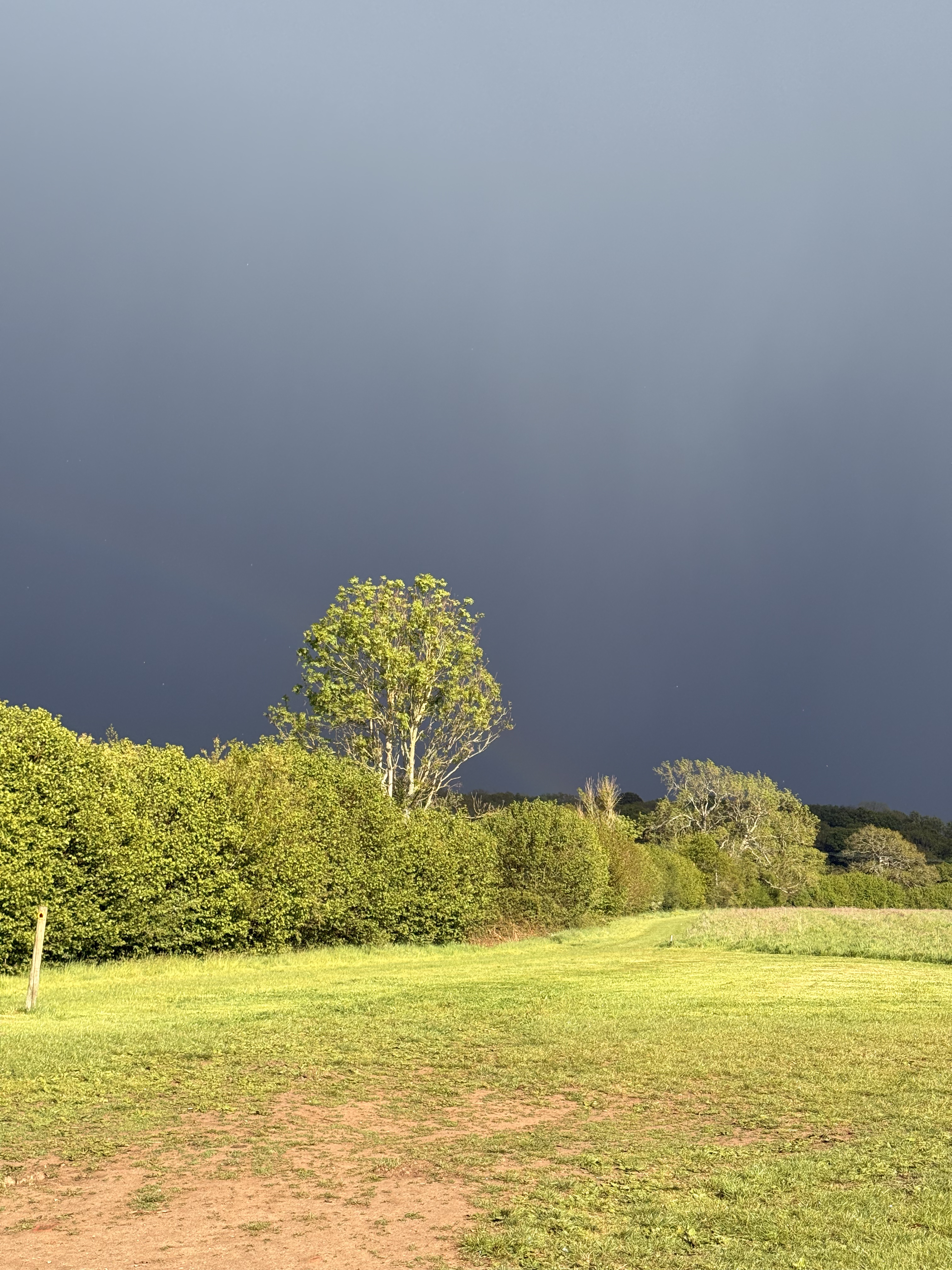
Our extensive network of approximately 17.5 kilometres of hedgerows creates vital wildlife corridors across the farm. We actively encourage naturally regenerating oak trees to grow freely within these hedgerows and have planted over 200 additional oaks, helping establish habitats for future generations.
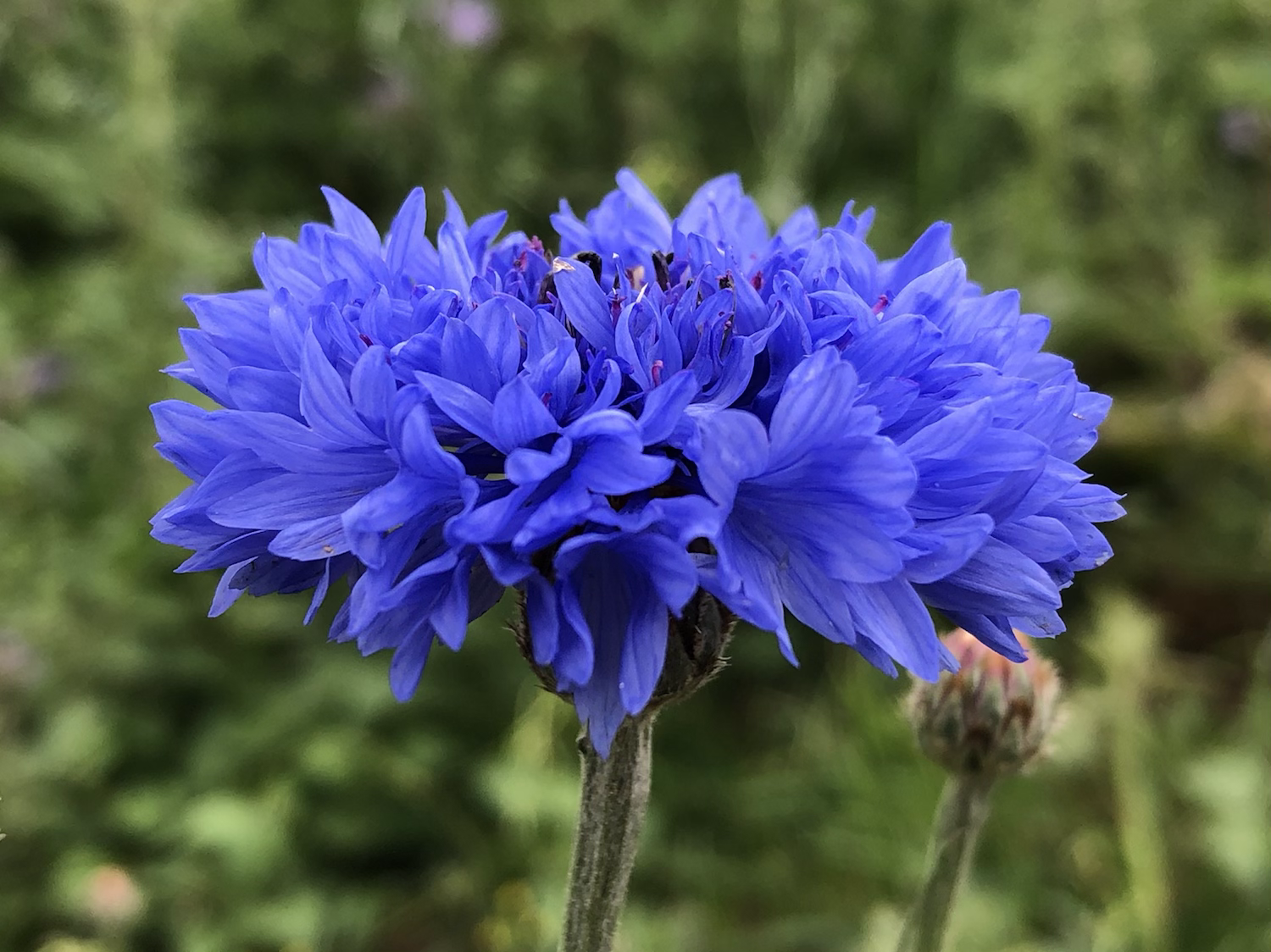
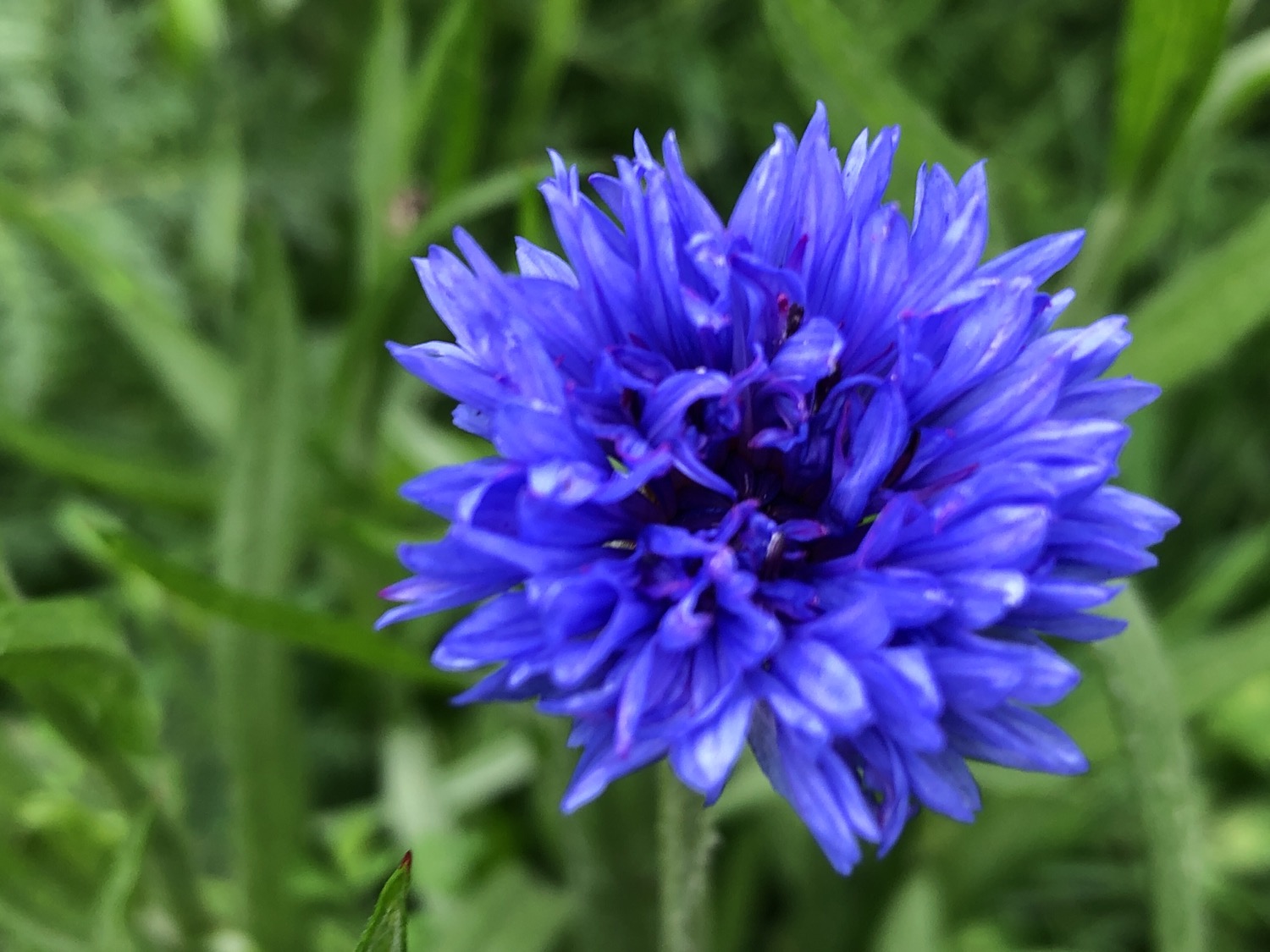
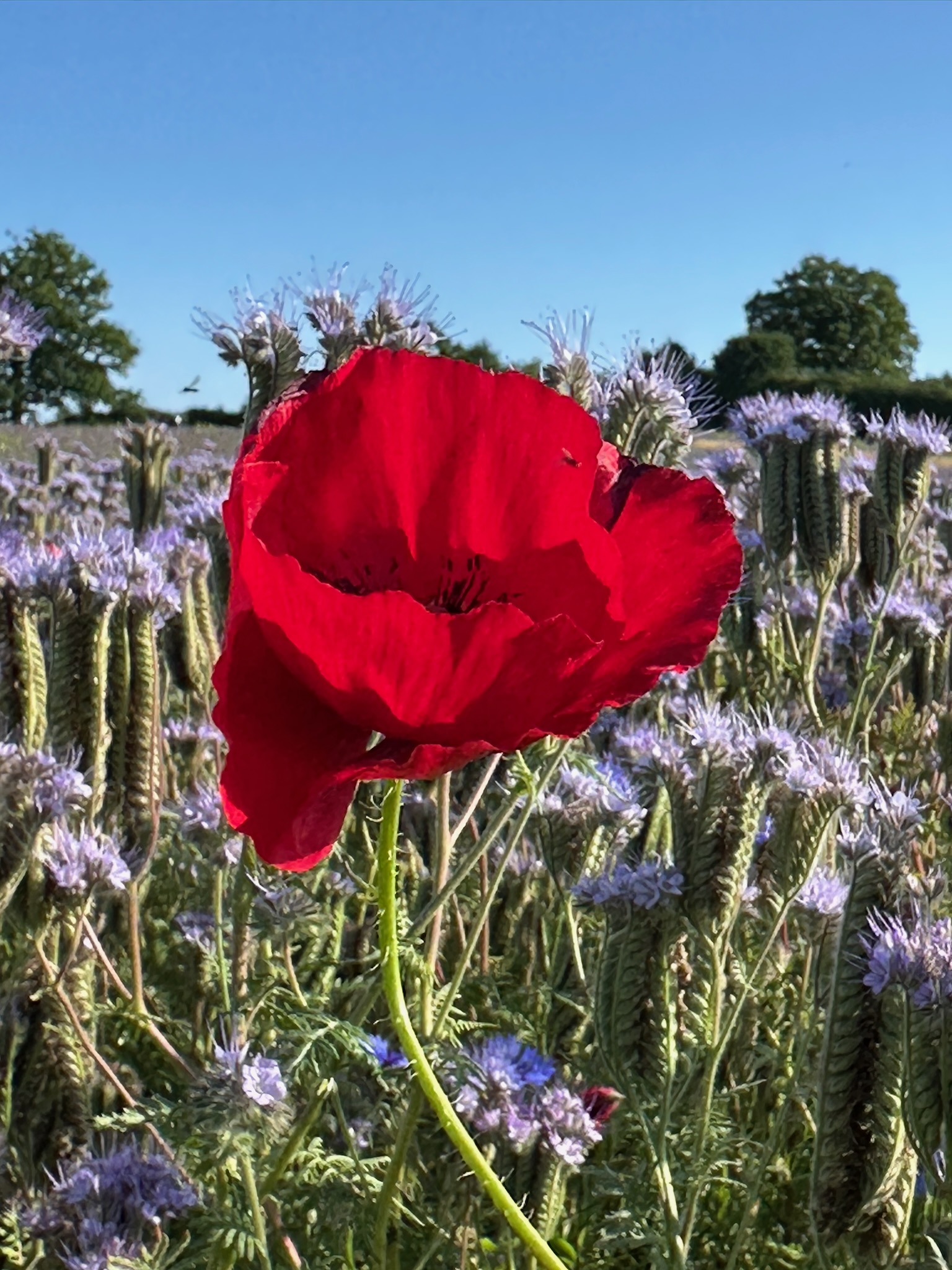
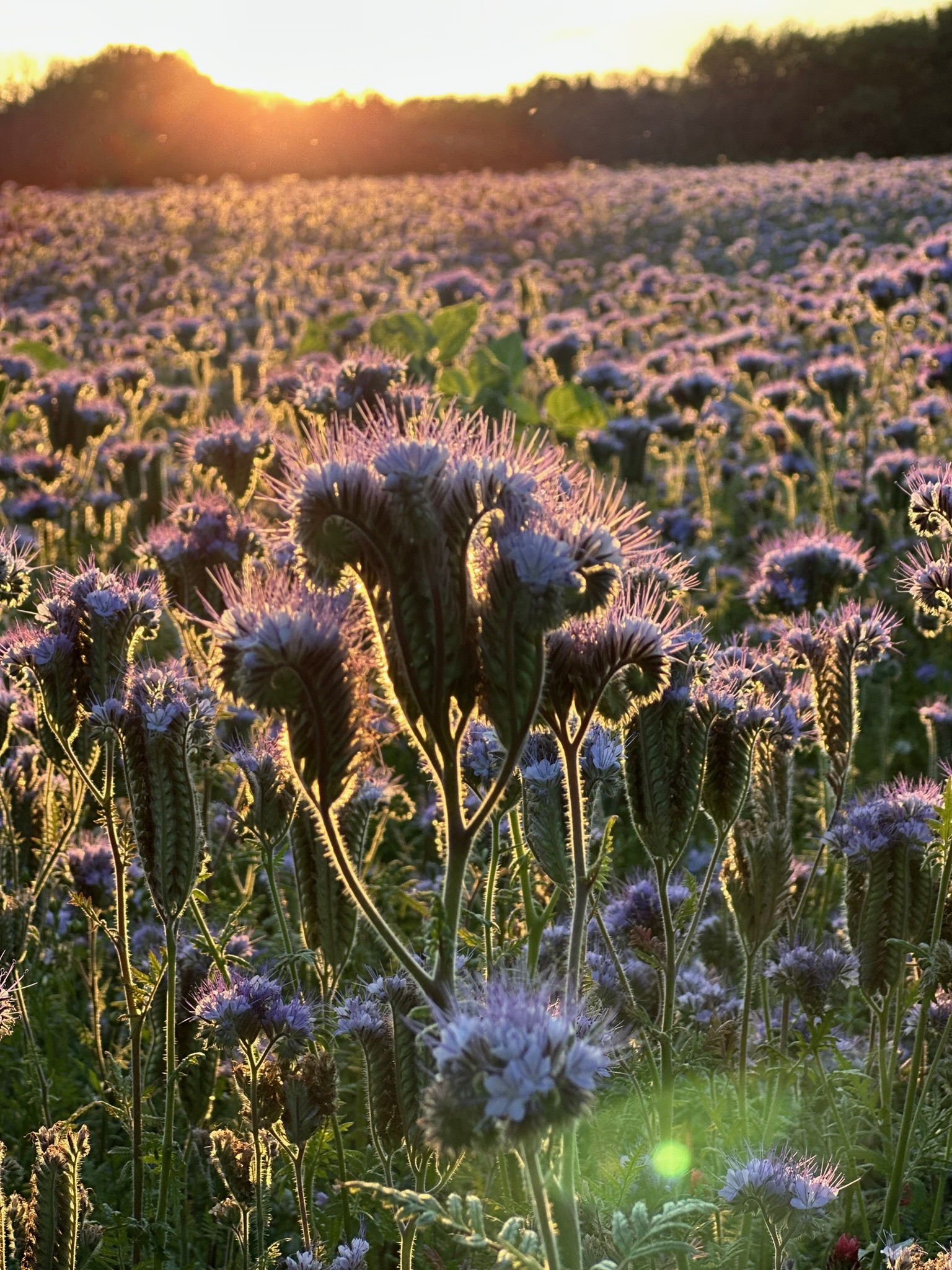
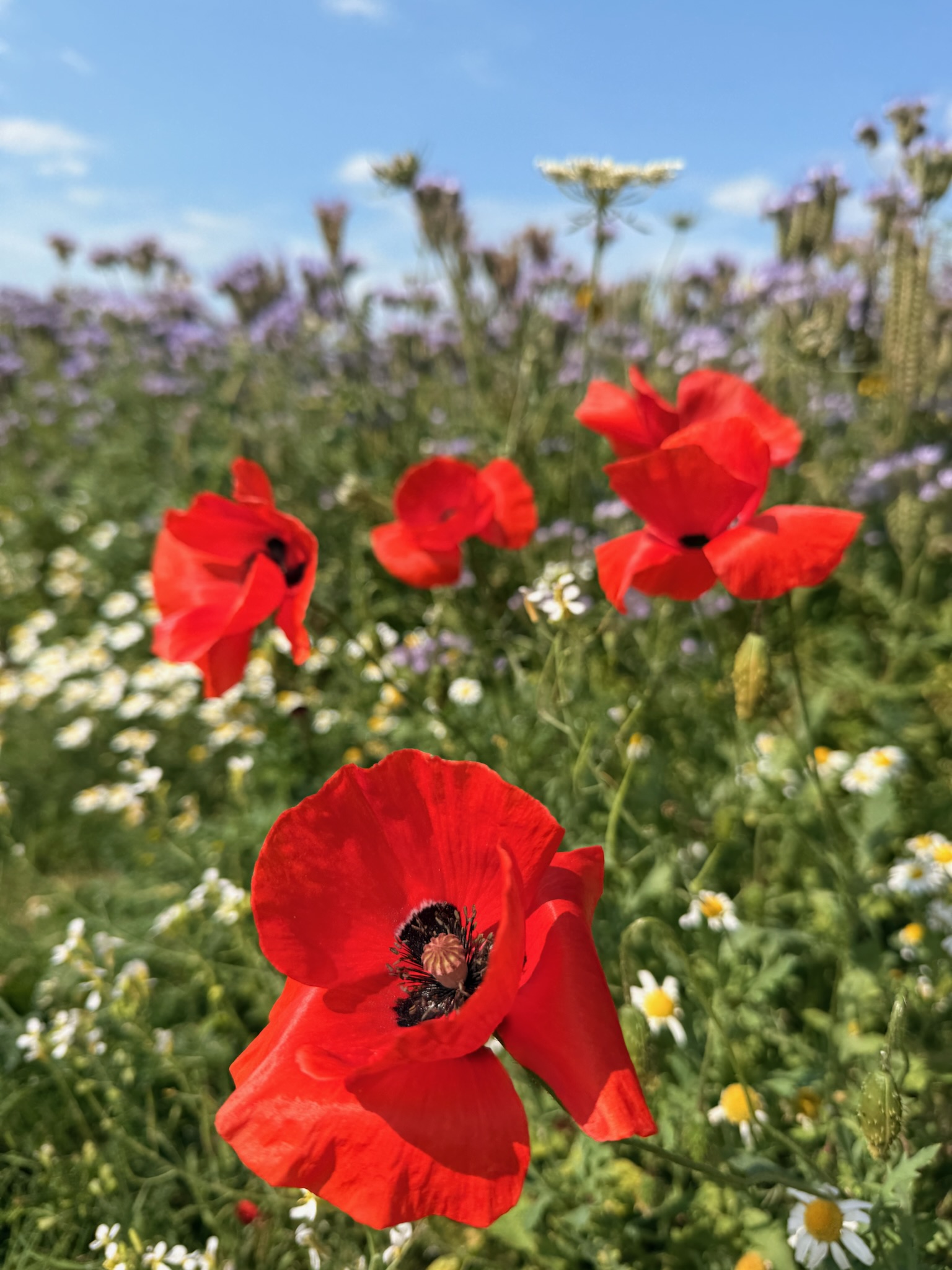
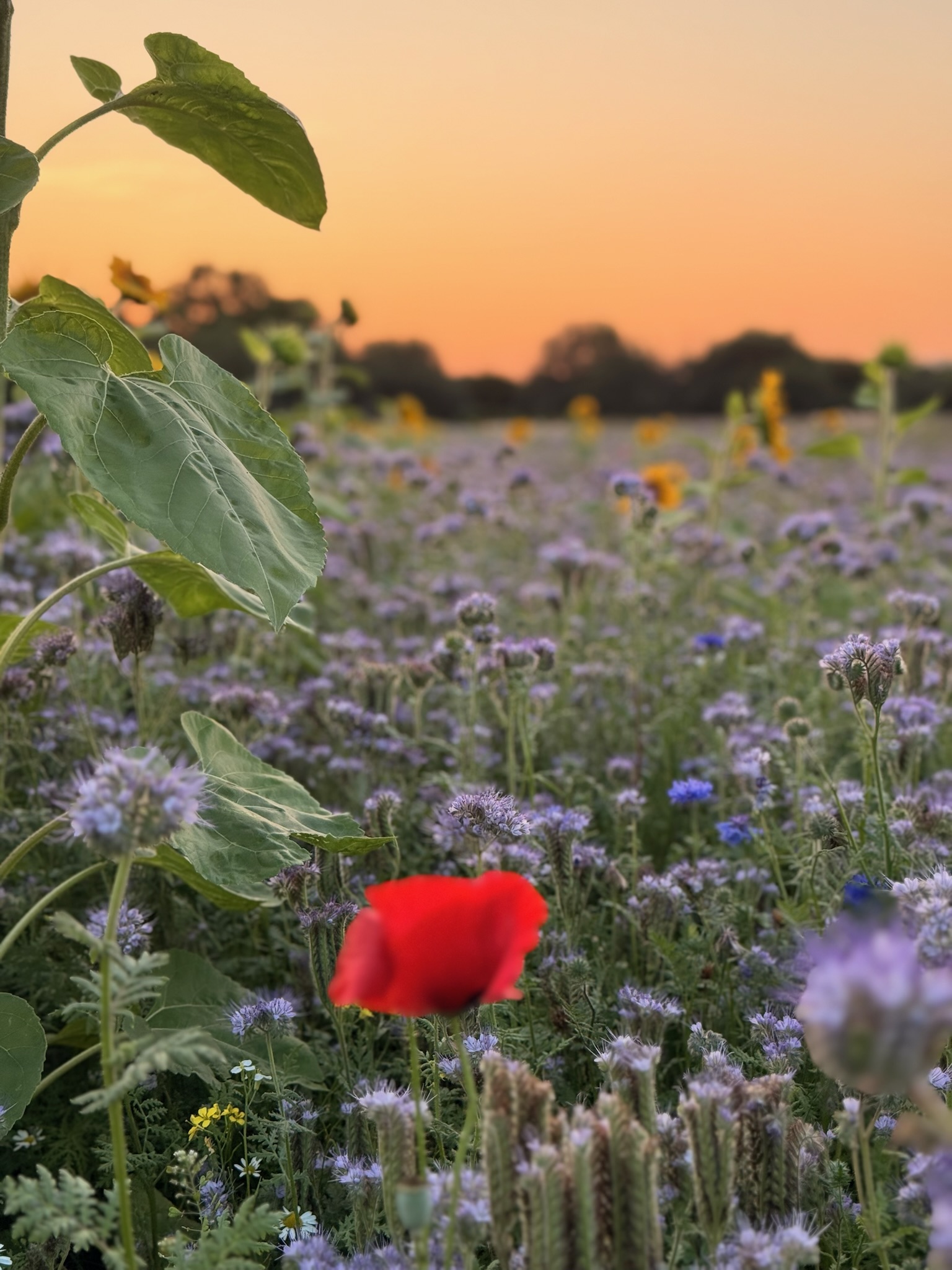
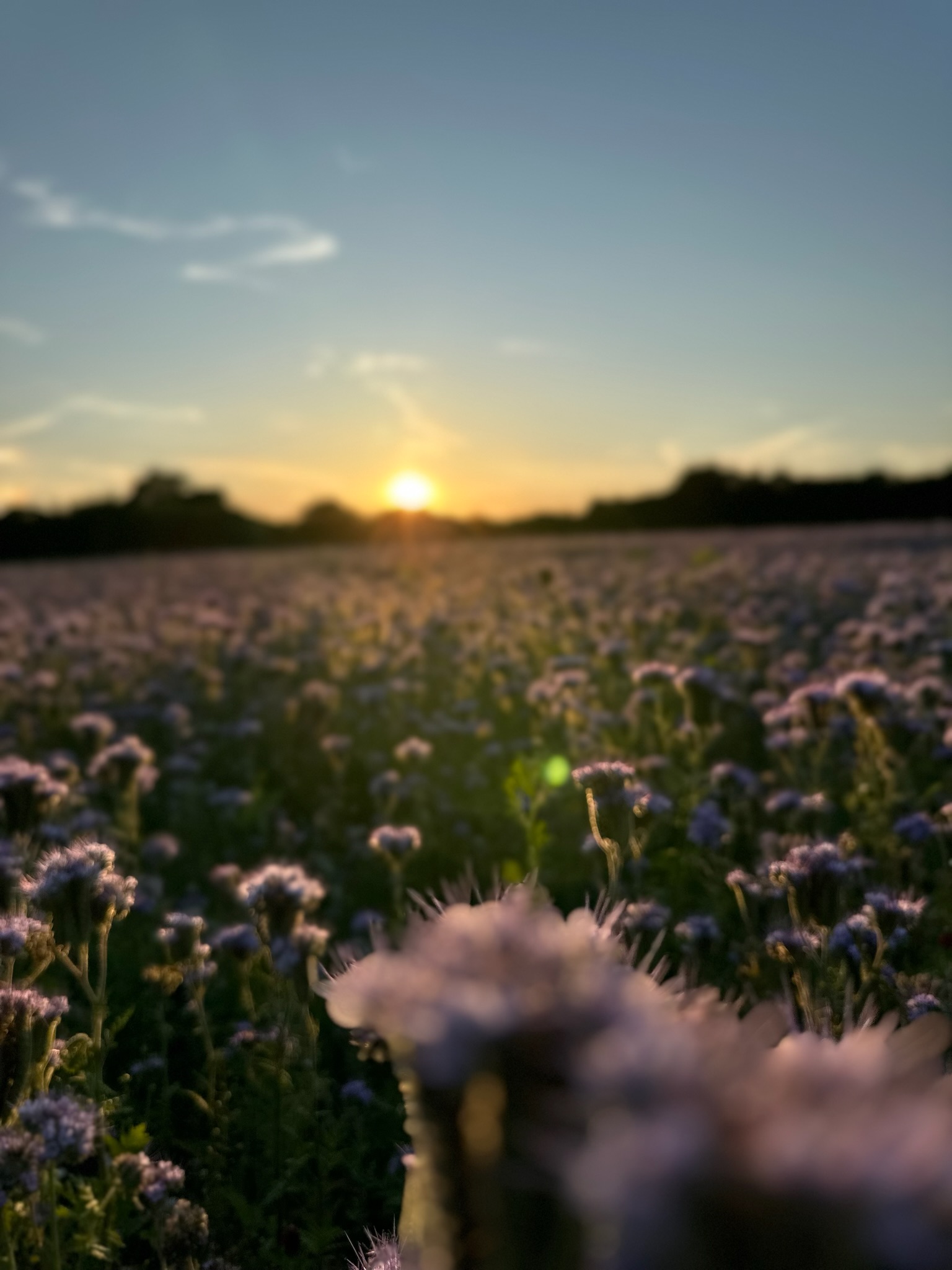
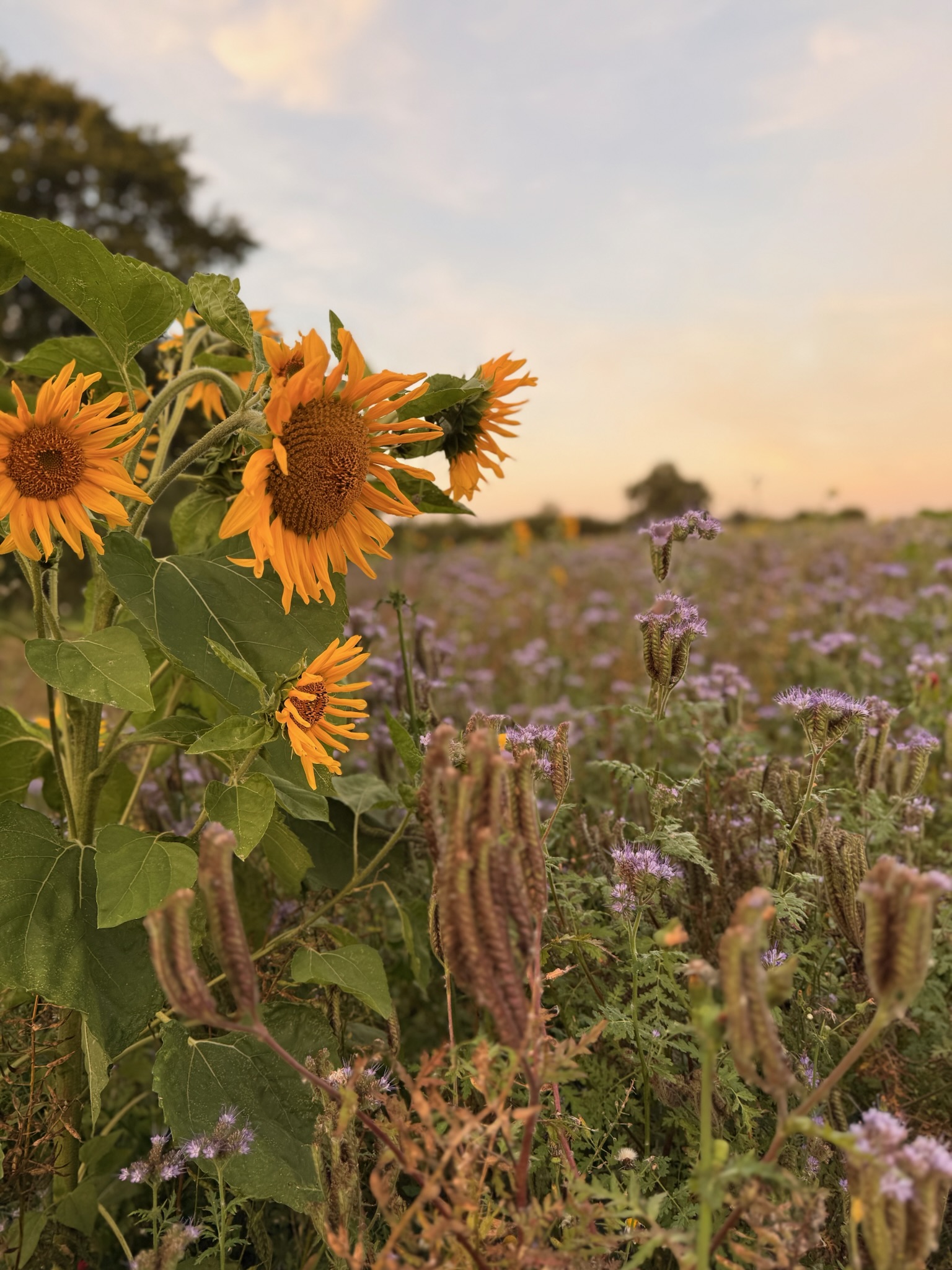
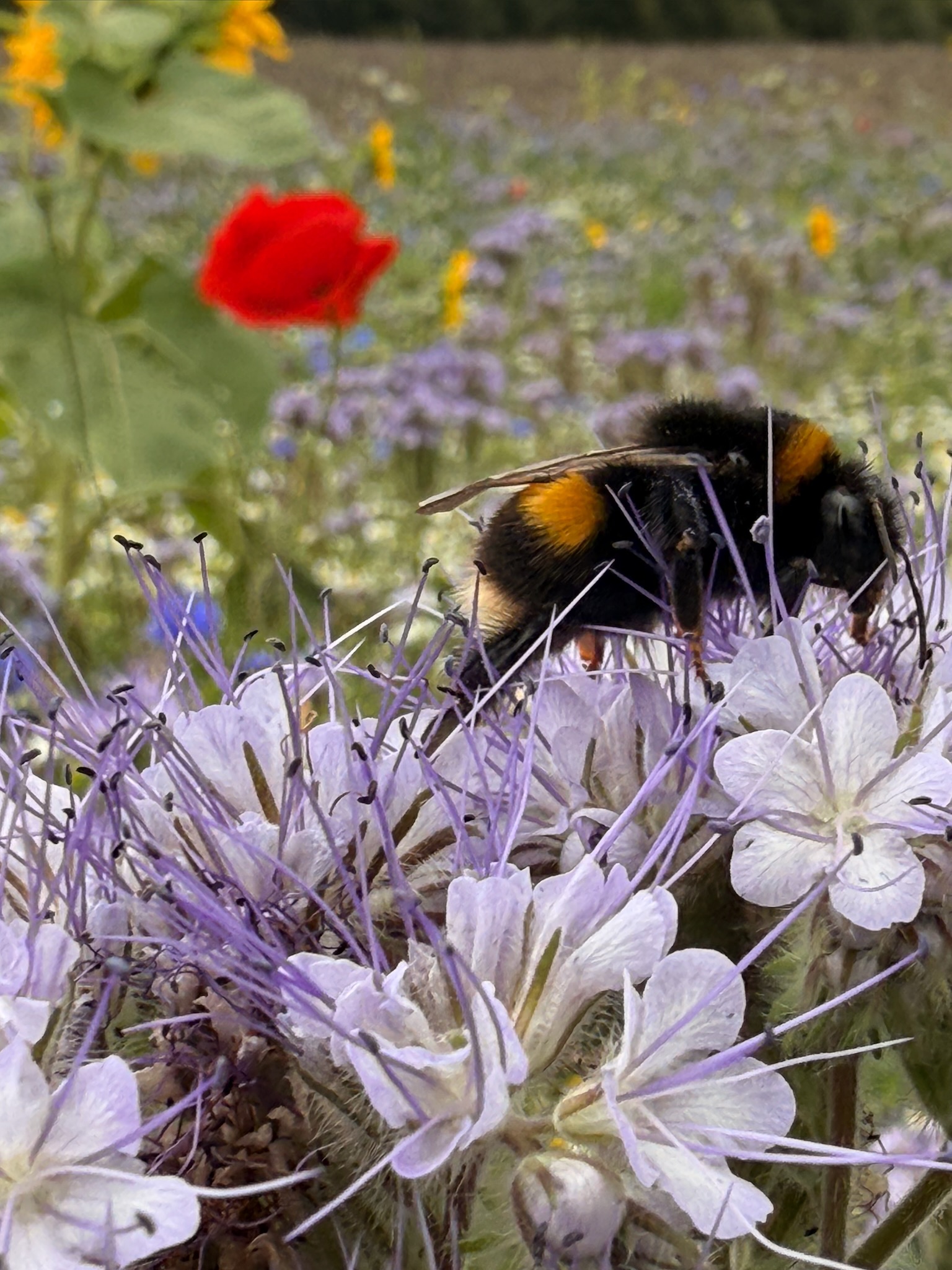
Bees and pollinators are particularly important to our environmental approach. Our colourful wildflower fields, including sunflowers, phacelia, clover, poppies and cornflowers, provide valuable nectar and pollen while supporting our own Mill Farm honey production.
We have also seen encouraging increases in birdlife, including returning swallows and nightingales, alongside the wider range of species benefiting from our changing farming practices.
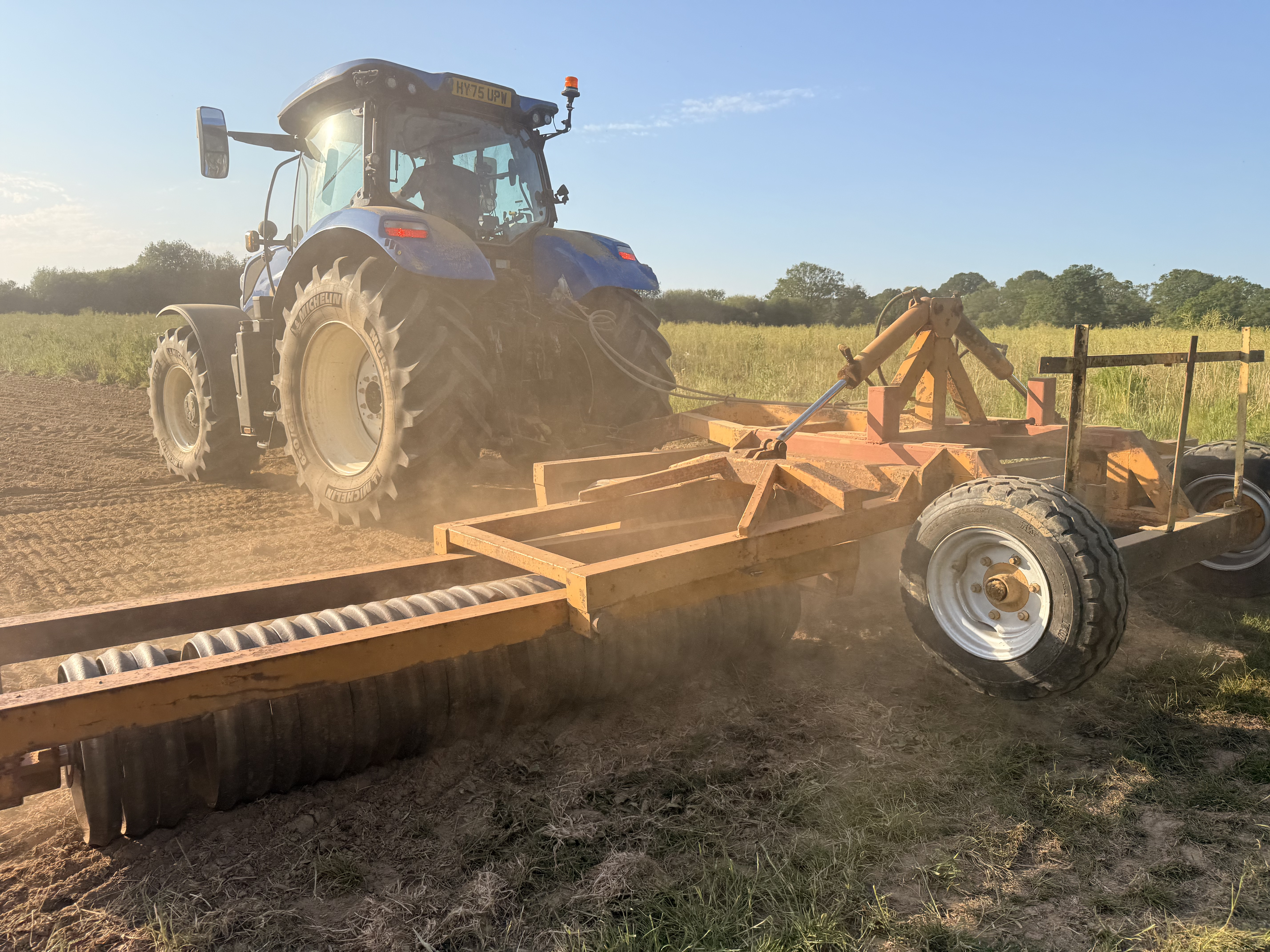
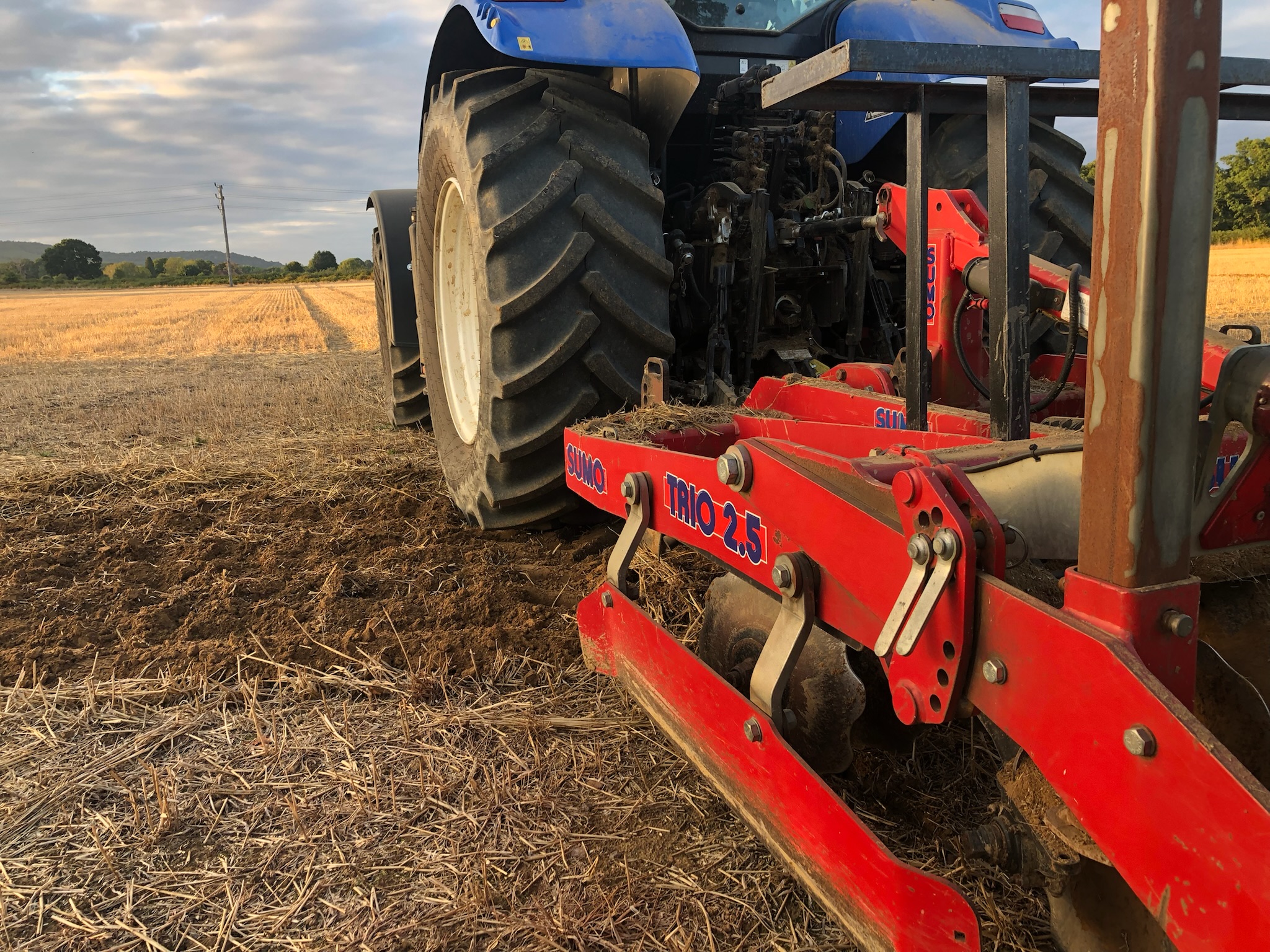
Our approach goes beyond simply planting flowers. By combining environmental cropping, soil management, hedgerow conservation and natural regeneration, we are creating a connected ecosystem that supports wildlife throughout the year.
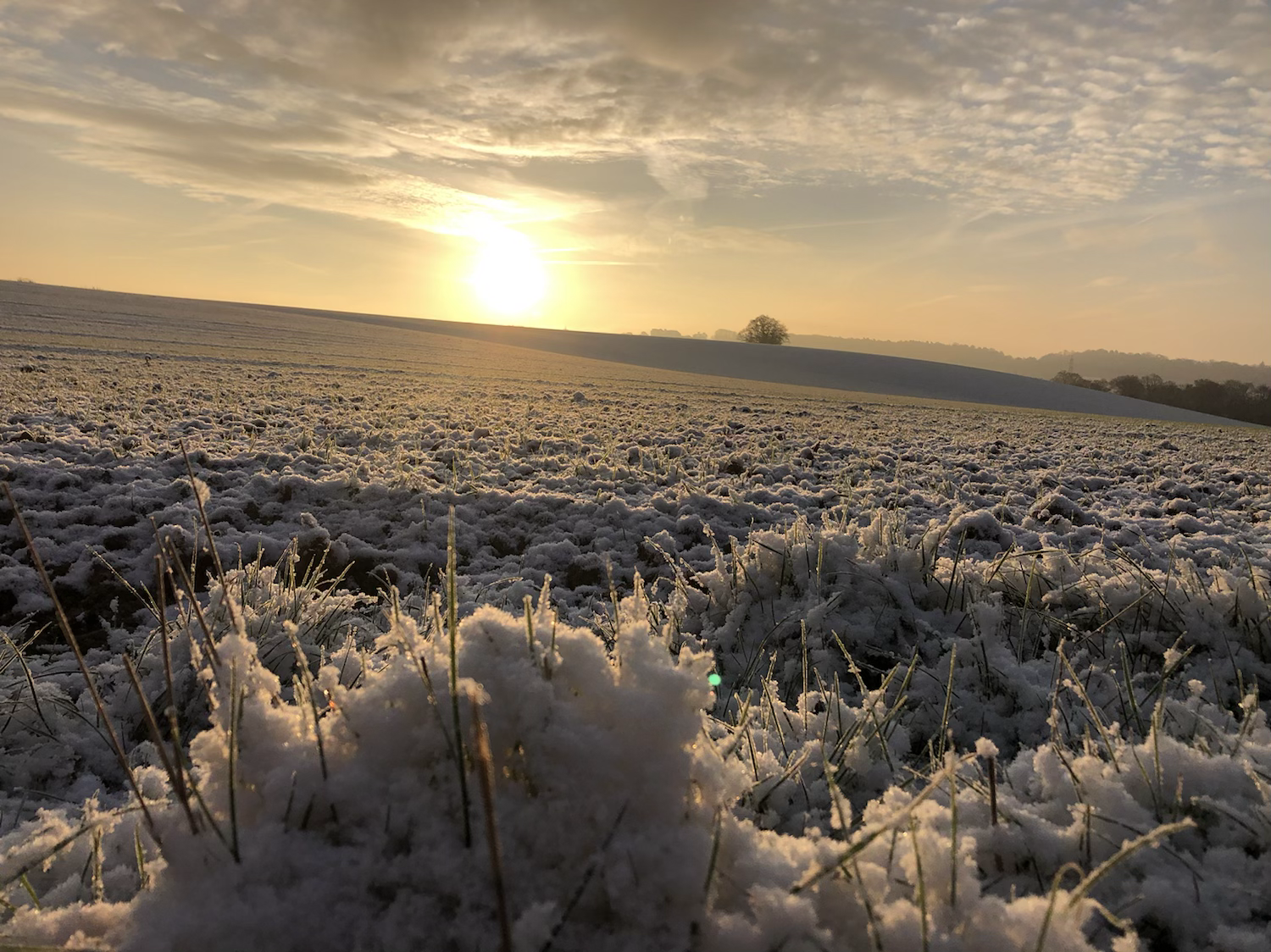
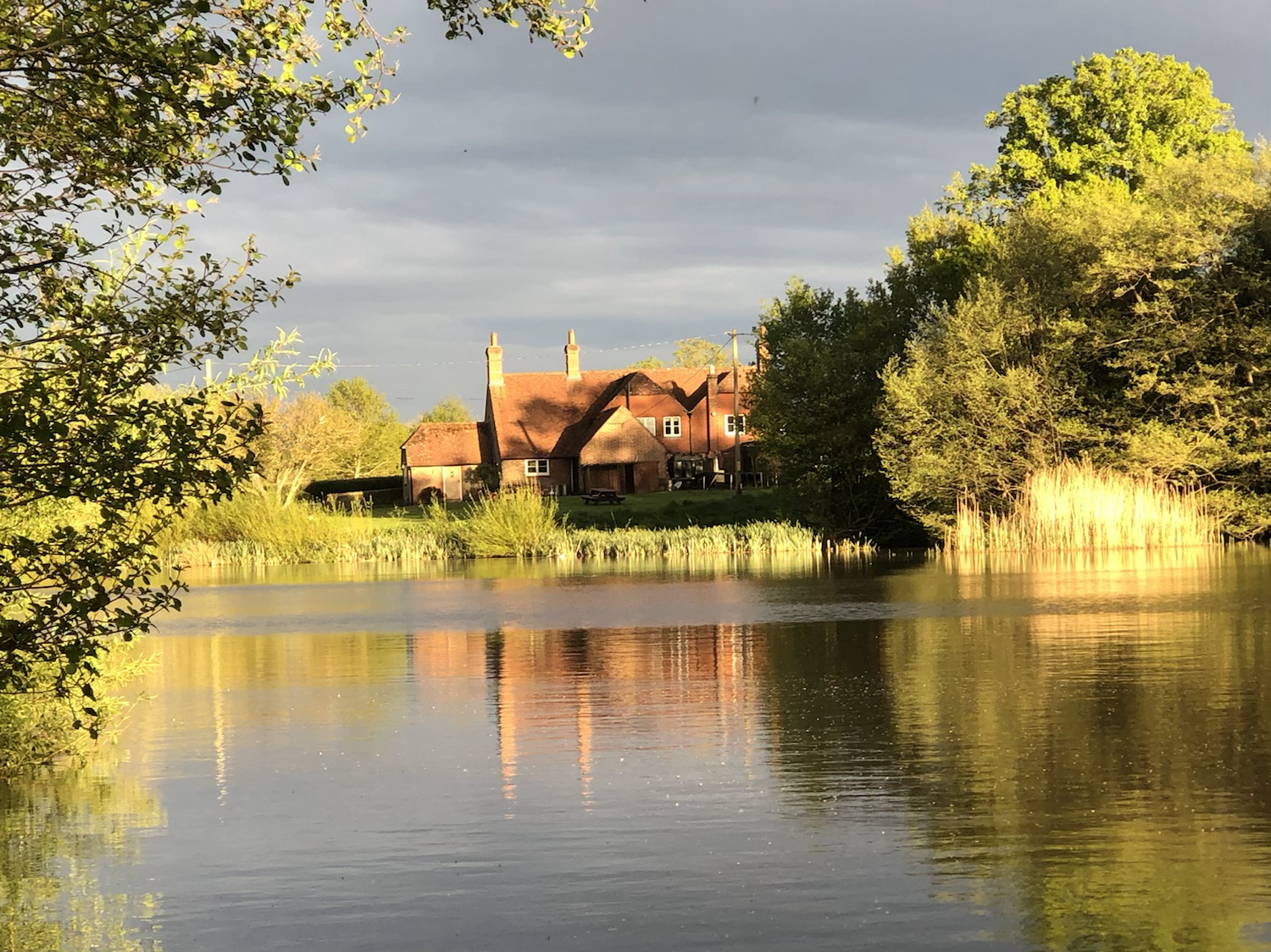
Visitors to Mill Farm can experience these improvements first-hand, enjoying beautiful wildflower meadows, abundant wildlife and the changing seasons of the Sussex countryside.
At Mill Farm Lurgashall, we believe the future of farming is about more than producing crops. It is about nurturing the land, restoring biodiversity and leaving a richer, healthier countryside for generations to come.